
Diesel Truck Maintenance Basics Every Owner Should Know
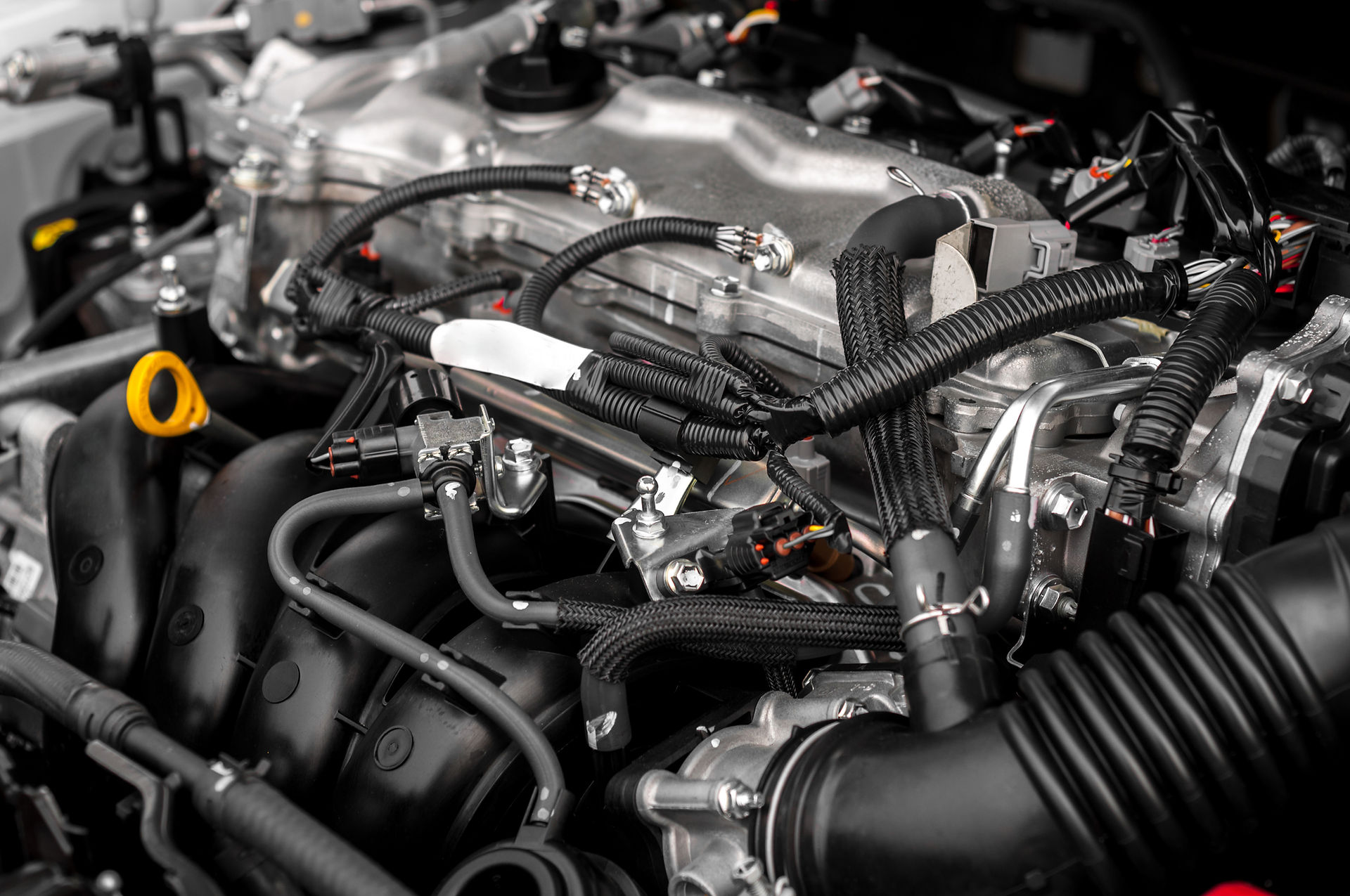
Diesel pickups and SUVs are popular in mountain communities for good reason. They tow well, deliver strong low-end torque and can last a very long time. But diesel engines are not maintenance-free. Modern diesels have fuel, oil and emissions systems that need specific care, especially in cold climates like the Heber Valley.
1. Oil Changes With Diesel-Rated Oil
Diesel engines produce more soot than gasoline engines, and much of it ends up in the oil. Diesel oils are formulated to hold that soot in suspension and to protect against wear under high loads. Always use oil that meets the specification listed in your owner's manual, for example an API diesel category such as CK-4, or the manufacturer's own standard.
Oil change intervals vary widely by engine and by how the truck is used. Towing, idling, short trips and dusty roads are all considered severe service. Follow the schedule in your manual or the vehicle's oil life monitor, and read how often should you change your oil for more on intervals.
2. Fuel Filters and the Water Separator
Diesel fuel systems operate at very high pressure with tight tolerances, so clean fuel is critical. Most diesels have one or more fuel filters and a water separator, because water in diesel fuel can damage injectors and fuel pumps.
- Replace fuel filters at the interval your manufacturer recommends, sooner if you get contaminated fuel.
- Drain the water separator when the "water in fuel" light comes on, and on the schedule in your manual.
- Buy fuel from busy, reputable stations where fuel turns over quickly.
3. Air Filter
Diesel engines move a lot of air, and a clogged air filter reduces power and efficiency. If you drive gravel roads or dusty job sites, check the air filter more often than the standard interval.
4. Diesel Exhaust Fluid (DEF)
Many diesel vehicles built from around 2010 onward use Selective Catalytic Reduction to lower nitrogen oxide emissions. These systems require Diesel Exhaust Fluid, a solution of urea and deionized water stored in a separate tank, usually with a blue cap.
- Keep the DEF tank topped up. Many vehicles limit power or speed if the tank runs empty.
- Use DEF that meets the ISO 22241 standard, and never put DEF in the fuel tank.
- DEF can freeze in very cold weather. Vehicles are designed to heat the system, but warning messages in winter should be checked.
5. Diesel Particulate Filter (DPF)
The DPF traps soot from the exhaust. The system periodically burns off that soot in a process called regeneration, which usually happens while driving at steady speeds. Trucks that only make short, slow trips may not get enough time for regeneration, and the filter can become clogged.
- Take the truck on a longer highway drive from time to time if most of your trips are short.
- Do not ignore DPF warning lights or messages about regeneration.
- Excessive idling adds soot without giving the filter a chance to clean itself.
6. Glow Plugs and Cold Starts
Diesel engines ignite fuel through compression heat rather than a spark plug. In cold weather, glow plugs or an intake heater warm the combustion chamber so the engine can start. Hard starting, extra smoke on start-up or a rough idle on cold mornings can point to failing glow plugs or a weak battery. Diesels often use two batteries, and both must be healthy.
Many diesel trucks also have an engine block heater. Plugging it in on very cold nights makes starting easier and reduces wear.
7. Winter Fuel and Gelling
Diesel fuel contains paraffin wax that can crystallize in cold temperatures, clogging filters and stopping the engine. This is called gelling. Fuel stations in cold regions usually sell winter-blended diesel, but a sudden cold snap can still cause trouble.
- Fill up with winter-blend fuel before a cold spell.
- Consider an anti-gel additive if you expect extreme cold, following the product directions.
- Keep the tank fuller in winter to reduce condensation.
- Carry a spare fuel filter if you travel in remote areas.
For more winter preparation, see our winter car care checklist.
8. Cooling System
Diesel engines, especially when towing, generate a lot of heat. Use the coolant type specified by the manufacturer, keep it at the correct level and have it tested periodically. Watch the temperature gauge on long climbs with a trailer.
9. Towing and Heavy-Duty Use
If you tow campers, boats or equipment, your truck is almost certainly operating under severe service conditions. Pay extra attention to transmission fluid, brakes, tires and differential fluids, and follow the heavy-duty maintenance schedule. Check tire pressure before every trip with a load.
Diesel Maintenance Quick Reference
| Item | What to watch |
|---|---|
| Engine oil | Diesel-rated oil, severe-service interval if towing or idling |
| Fuel filters / water separator | Replace on schedule; drain water when indicated |
| Air filter | Check more often on dusty roads |
| DEF | Keep topped up; use ISO 22241 fluid |
| DPF | Allow regeneration; avoid excessive idling |
| Glow plugs and batteries | Test before winter |
| Winter fuel | Winter blend; anti-gel additive in extreme cold |
Diesel owners in Heber City: Tracy's Auto Repair offers a diesel oil change that includes a free tire rotation and balance. Book your visit online.
Conclusion
A well-maintained diesel can deliver many years of dependable work. Use the right oil, keep fuel clean and dry, stay on top of DEF and DPF needs, and prepare for cold weather before it arrives. Those habits protect expensive components and keep your truck ready to work.
Frequently Asked Questions
Can I use regular motor oil in a diesel engine?
Only if it meets the diesel specification in your owner's manual. Many oils are labeled for both gasoline and diesel engines, but the required rating and viscosity for your engine should always be confirmed.
What happens if I run out of DEF?
Most vehicles display warnings well before the tank is empty. If it runs out, many trucks limit engine power or speed until DEF is added, so it is best to keep the tank topped up.
How do I know if my diesel fuel has gelled?
Symptoms include hard starting, loss of power, stalling in very cold weather and a cloudy look to the fuel. Moving the truck somewhere warm and replacing the fuel filter is often needed.
Should I let my diesel idle to warm up?
A short warm-up is fine, but long idling adds soot, can dilute oil and contributes to DPF loading. Gentle driving warms the engine faster than idling. A block heater helps on very cold mornings.